
Top 8 Leading Hospitals in the United Kingdom (UK) — Renowned Doctors & World-Class Care
Healthcare in the United Kingdom blends centuries-old institutions with cutting-edge research and modern clinical practice. Whether you’re reading as a patient, a medical professional, or an interested observer, the UK’s top hospitals stand out not just because of their brick-and-mortar campuses but for the people, practices, and research cultures inside them. This article profiles eight of those institutions — selected for clinical excellence, research leadership, specialist services, and reputations for training outstanding clinicians — and explains what makes each unique.
1. St Thomas’ Hospital, London — An icon for complex care and teaching
St Thomas’ sits on the south bank of the Thames, directly opposite Parliament. Its riverside presence is famous, but the hospital’s significance reaches far beyond its landmark location. As a major teaching hospital within Guy’s and St Thomas’ NHS Foundation Trust and a member of King’s Health Partners, St Thomas’ is a hub for complex specialties including cardiothoracic surgery, critical care, obstetrics and gynaecology, and advanced cancer services. It also hosts Evelina London Children’s Hospital, giving it a comprehensive range of services from neonatal care to adult specialist surgery. St Thomas’ consistently appears near the top of independent hospital rankings for the UK, reflecting both clinical outcomes and academic performance.
Why patients and professionals choose it: integrated academic links (King’s College London), strong surgical units, and an environment that attracts top-tier consultants and trainees.
2. Great Ormond Street Hospital (GOSH), London — World-leading children’s care
Great Ormond Street is synonymous with paediatric excellence. For more than a century and a half, GOSH has cared for children with rare, complex and often life-threatening conditions. It combines multi-disciplinary clinical teams with specialists in congenital cardiac surgery, complex neurosurgery, metabolic disorders, and transplant medicine. GOSH is also a global leader in paediatric research and innovation — developing new treatments, surgical techniques, and supportive care models for children and their families. For families facing rare diagnoses, GOSH provides not only clinical care but also psychological and social support structures tailored to children’s needs.
Standout features: cross-specialty teams trained for pediatric complexity, strong research output in rare diseases, and a family-centered approach to care delivery.
3. The Royal Marsden — Specialist cancer hospital with deep research ties
When a hospital makes oncology its core mission, it changes how care is organised — and The Royal Marsden is a prime example. Founded in the 19th century, the Marsden was one of the earliest institutions worldwide focused exclusively on cancer diagnosis, treatment and research. Today it remains at the forefront of translational research and clinical trials, often working hand-in-hand with the Institute of Cancer Research and academic partners. Patients come because the hospital concentrates specialised services (radiotherapy, surgical oncology, systemic therapy, genetics and survivorship care) and offers access to trials and novel therapies not widely available elsewhere.
Why it matters: concentration of expertise and research accelerates access to new cancer treatments and precision medicine options.
4. Moorfields Eye Hospital, London — Europe’s leading ophthalmology centre
Eye disease is a field where microsurgical skill, advanced imaging, and research combine to preserve sight. Moorfields is one of the oldest and largest eye hospitals in Europe and serves as a major referral centre for complex ophthalmic conditions — from retinal detachments to inherited retinal disorders. It’s closely linked with academic institutions such as the UCL Institute of Ophthalmology, creating a vibrant pipeline between laboratory discoveries and clinical therapies. For patients with rare eye conditions or those requiring sub-specialist surgical procedures, Moorfields has an international reputation for outcomes and innovation.
Top draws: concentrated ophthalmic expertise, advanced diagnostics (imaging and genetics), and a strong research-to-clinic pathway.
5. University College Hospital (UCLH), London — Clinical breadth with academic strength
University College Hospital embodies the modern academic medical centre: broad clinical services, specialist centres (neuroscience, cancer, heart, and organ transplant), and close affiliation with University College London’s medical school. UCLH’s multidisciplinary clinics and specialist centres make it an attractive referral destination for complex conditions requiring coordinated care. The hospital’s research programmes — spanning basic science, clinical trials, and health services research — translate into new therapies and improved clinical pathways on a continual basis. This synergy between patient care and research underpins UCLH’s standing among leading UK hospitals.
Key strengths: multidisciplinary innovation, academic partnerships, and a broad portfolio of specialist services.
6. Addenbrooke’s Hospital (Cambridge) — Tertiary care, research and innovation hub
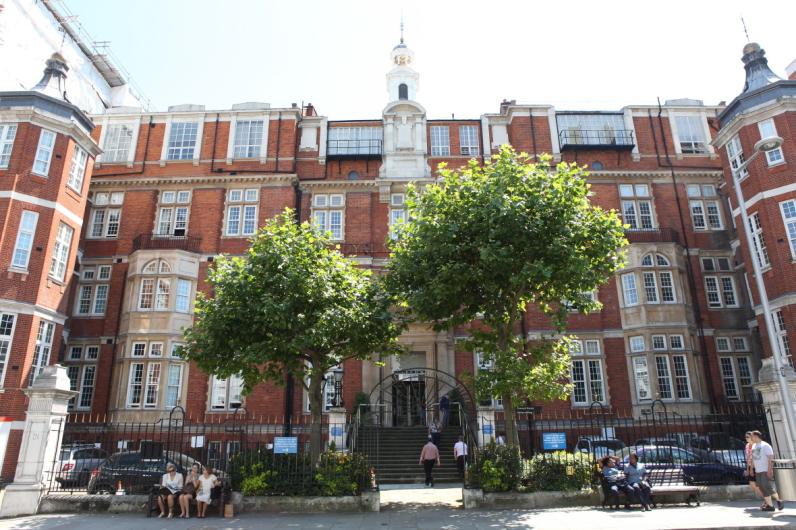
Addenbrooke’s, part of Cambridge University Hospitals NHS Foundation Trust, blends tertiary clinical services with one of the UK’s most research-intensive university environments. The hospital is recognised for specialties such as transplant medicine, complex neurosurgery, and rare disease management. Its proximity to the University of Cambridge’s research ecosystem, biotechnology clusters, and national clinical research networks makes Addenbrooke’s fertile ground for pioneering treatments and early-phase clinical trials. Patients with complex or uncommon conditions often travel to Cambridge because of its integrated research and clinical model.
What distinguishes it: proximity to academic research and biotech, strong tertiary services, and a culture of clinical innovation.
7. John Radcliffe Hospital (Oxford) — Academic medicine and specialty services
Oxford’s John Radcliffe Hospital anchors a cluster of health services that feed into the University of Oxford’s research and teaching mission. The hospital hosts specialist units in paediatric services, neurosciences, transplantation and trauma. John Radcliffe’s integration with Oxford’s clinical research infrastructure supports early adoption of evidence-based therapies and participation in national and international trials. For clinicians, the hospital offers a rich environment for specialist training; for patients, it provides access to teams accustomed to managing unusual or complex clinical presentations.
Highlights: deep academic links, specialist tertiary services, and a track record for complex case management.
8. Chelsea and Westminster Hospital, London — Specialist services with high patient throughput
Chelsea and Westminster is known for its strong surgical services, specialised HIV and sexual health services, burn and plastics surgery, and a busy maternity unit. It frequently attracts referrals for complex surgical care and offers integrated services across different specialties. The hospital’s higher throughput and focused units make it efficient for delivering specialist procedural care while maintaining strong outcomes and patient support services. Its facilities and consultant expertise make it a preferred option for both NHS referrals and private care.
Why people use it: focused specialist units, efficient surgical pathways, and strong clinical outcomes in key procedural areas.
Common threads across these institutions — what “top” actually means
Reading through the profiles above, several consistent qualities explain why these hospitals are considered leading institutions:
- Concentration of specialist expertise. Top hospitals often centralise care for specific diseases (e.g., paediatrics, oncology, ophthalmology) so clinicians develop deep sub-specialty experience, which improves outcomes.
- Academic and research integration. Where hospitals sit near major medical schools or research institutes, clinical trials and translational research are more accessible — giving patients earlier access to novel treatments.
- Multidisciplinary teams. Complex conditions require co-ordinated care: surgeons, physicians, radiologists, pathologists, allied health professionals, and specialist nurses working together is the norm at top centres.
- High procedural volumes. For many surgeries and interventions, volume correlates with quality. These hospitals treat large numbers of complex cases, sharpening their processes and outcomes.
- Comprehensive support services. Psychological support, rehabilitation, palliative care, and family-centred services are integral, not optional, at leading centres — particularly in paediatric and cancer care.
How to choose the right hospital for you
Being a “top” hospital doesn’t automatically mean it’s the best fit for every patient. Here are practical steps when deciding where to seek care:
- Match the specialty to the need. If your condition is rare or complex (e.g., a rare childhood metabolic disorder), a specialist centre like GOSH or Addenbrooke’s may be the sensible choice.
- Ask about expertise and outcomes. Consultants and clinical teams should be able to discuss experience with your condition and typical outcomes or complication rates.
- Consider access to trials. If cutting-edge therapies are relevant, ask whether the hospital runs trials in your condition and whether you’re eligible.
- Think about support services. For chronic or severe conditions, counselling, rehabilitation, and family support matter hugely.
- Look at logistics. Travel, accommodation for family, and follow-up arrangements can make a big difference to your experience.
Challenges and strengths of the UK system reflected in these hospitals
These centres highlight the strengths of the UK’s healthcare ecosystem — particularly the capacity to combine public health service delivery with world-class research. However, the system also faces pressures: capacity constraints, workforce shortages in certain specialties, waiting-time challenges, and the constant need to balance cutting-edge medicine with equitable access. Many top hospitals navigate these pressures by prioritising urgent and highly complex care, participating in national networks to share expertise, and partnering with charities and academic bodies to extend capacity and innovation.
A note about reputation vs. reality
Ranking lists and reputations are useful starting points, but they don’t tell the full story. A single hospital can have world-leading services in some specialties and average performance in others. When possible, look for recent outcome metrics, patient experience reports, and independent assessments relevant to the treatment you need.
One recent industry snapshot — a national ranking of ‘World’s Best Hospitals’ — highlights the concentration of top-performing NHS hospitals in London and major university cities. These rankings underscore the clustering of specialist services and research capacity in major academic centres.
Final thoughts
The UK’s top hospitals are more than the sum of their buildings; they are ecosystems where research, education and compassionate clinical care intersect. Whether your interest is academic, professional, or personal, these institutions show how concentrated expertise, academic partnerships, and multidisciplinary teams can deliver outstanding care for the most complex challenges.