

Top 8 Leading Hospitals in North Carolina With Renowned Doctors and World-Class Healthcare Facilities
North Carolina is home to a diverse and highly capable healthcare ecosystem: large academic medical centers, regional referral hospitals, trauma centers, and community systems that together deliver cutting-edge medicine across the state. This guide highlights eight institutions that consistently demonstrate advanced clinical services, academic excellence, and strong regional impact. For each hospital I’ll summarize what makes it stand out, the types of care it’s known for, and why patients and families routinely travel to these centers for complex treatment and trusted everyday care.
1. Duke University Hospital
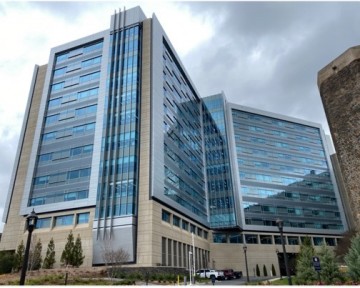
Duke University Hospital sits at the heart of an internationally recognized academic health system. As the flagship hospital of a major medical school, it blends research, innovation, and highly specialized clinical programs. The hospital is known for complex cardiac surgery, advanced oncology treatments, transplant services, neuroscience and neurosurgery, and pediatric specialties—areas supported by intensive research programs and multidisciplinary teams. Its position as a tertiary and quaternary referral center means that physicians there often treat conditions that require highly specialized equipment and experience not available at smaller hospitals. Duke’s commitment to clinical trials and translational research ensures patients can access novel therapies and protocols under expert supervision. (
2. UNC Medical Center
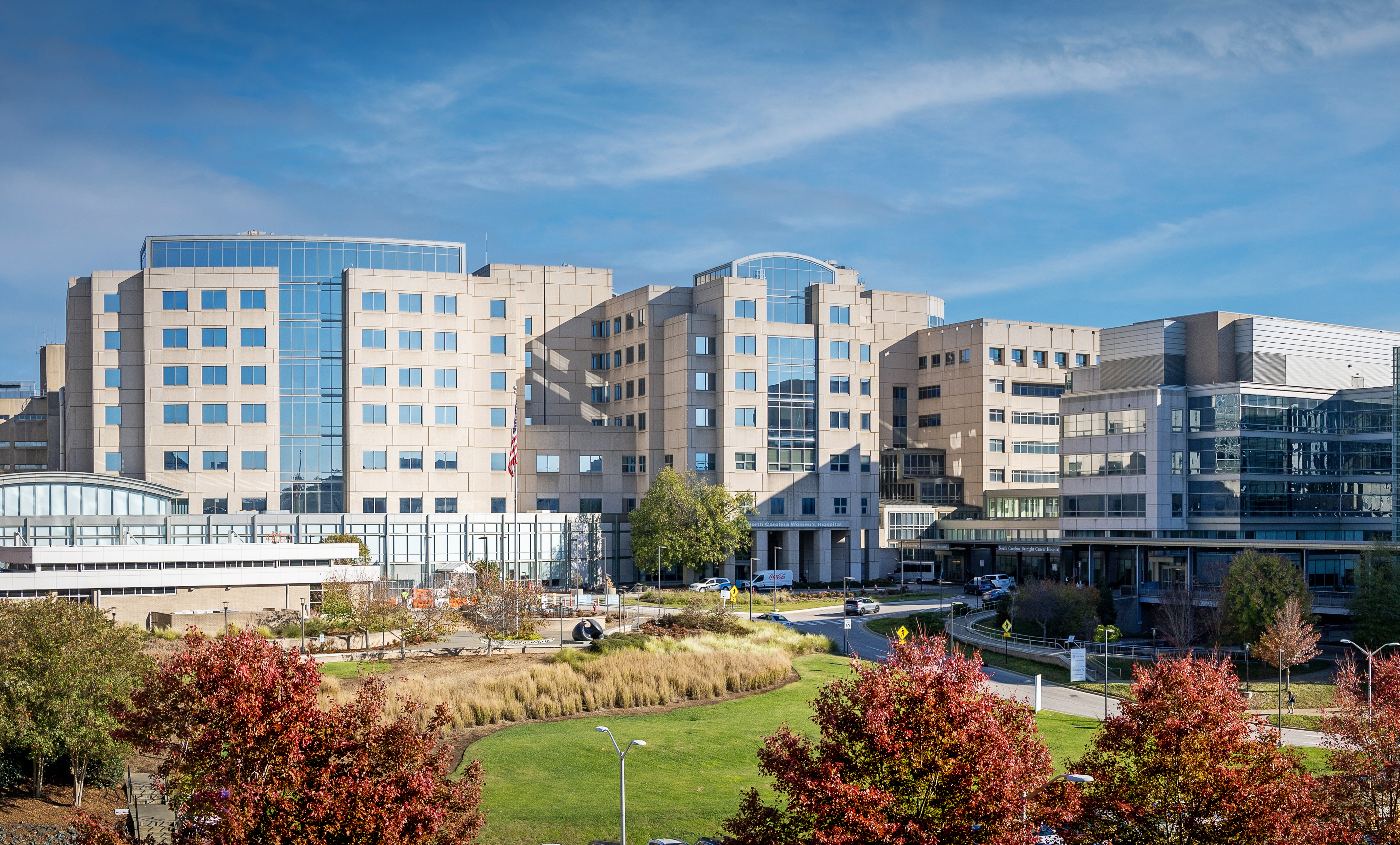
UNC Medical Center is the academic medical center of the University of North Carolina and serves as a major referral hub for the region. With broad capabilities across adult and pediatric care, the center prides itself on integrated care models—bringing together specialists in cancer, heart and vascular care, organ transplantation, and maternal-fetal medicine. It also holds multiple accreditations and recognitions for nursing excellence and specialized programs, making it a destination for complex diagnoses and multidisciplinary treatment planning. The strong educational mission supports a continuous flow of new research into clinical practice that benefits patients seeking state-of-the-art care.
3. Atrium Health Carolinas Medical Center
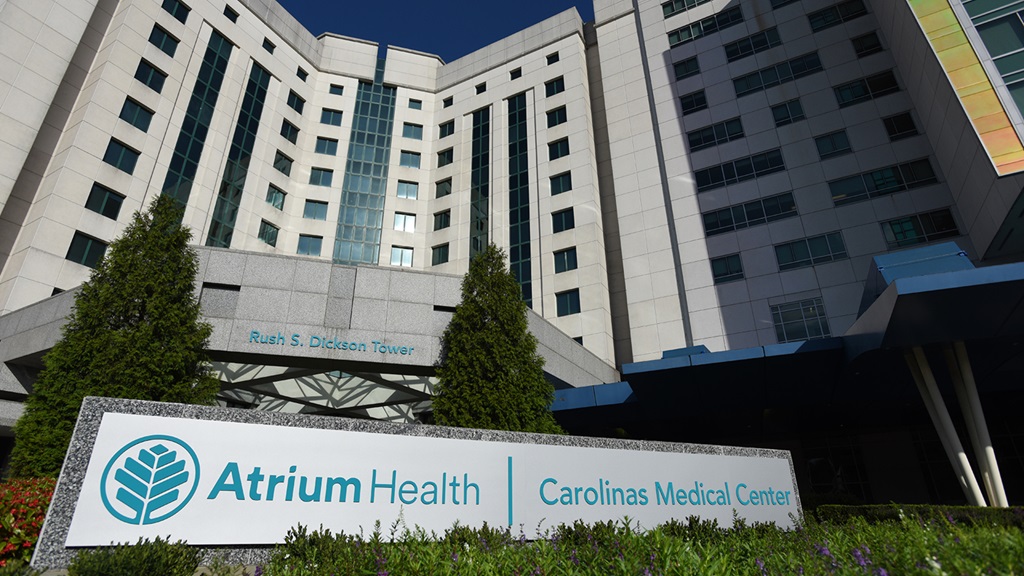
Serving Charlotte and a broad metropolitan region, Atrium Health Carolinas Medical Center (CMC) is one of the largest and most resource-intensive hospitals in the state. It functions as a major trauma center and offers a deep bench of specialty programs: comprehensive cancer care, advanced cardiac services including transplant, neurosciences, and a large women’s and children’s service line. CMC’s ongoing capital investments and campus expansions reflect an emphasis on increasing capacity while modernizing facilities and emergency services—important for growing urban populations that demand both complex specialty care and efficient emergency response
4. Novant Health Presbyterian Medical Center
Novant Health Presbyterian Medical Center blends academic-quality programs with community focus. It offers specialized services in cardiology, stroke care, oncology, and maternity services, including neonatal intensive care. The center is also known for its integration of clinical research and participation in trials that expand treatment choices for patients. For many people in the Charlotte region, Novant’s campus is a go-to for both emergency needs and planned specialty care—combining advanced technology with community-oriented access.
5. WakeMed Raleigh Campus
WakeMed’s Raleigh campus anchors a regional health system focused on delivering accessible, urgent, and highly skilled care. WakeMed is notable for having multiple emergency departments, strong trauma services, and significant critical care capabilities. Its model emphasizes fast access to care combined with depth in specialties—such as orthopedics, cardiology, and surgical services—so patients who need timely intervention can receive it without sacrificing quality. The system’s investments in telemedicine, e-check-in, and regional urgent care reflect its role as both a primary care access point and a referral hospital.
6. Mission Hospital
Mission Hospital, located in western North Carolina, is a key regional referral facility for the mountain communities. It offers a breadth of tertiary services—trauma care (including a verified Level I trauma program), robust cardiac programs, stroke care, and an extensive robotic surgical program. Mission’s geographic role is important: patients from rural and remote areas rely on its air-and-ground transport capabilities and specialized units (like advanced NICU and ECMO services) that are less common outside metropolitan centers. Its surgical teams and minimally invasive platforms enable many patients to have shorter recoveries and better outcomes for complex procedures.
7. ECU Health Medical Center
ECU Health Medical Center (formerly known by other regional names) is the principal academic medical center for eastern North Carolina. With one of the largest licensed bed counts in the region, it serves a vast, multi-county population and operates as a referral hub for complex care—particularly in oncology, cardiology, pediatric specialties, and trauma. Its educational affiliation with a medical school supports clinician training and ongoing clinical research, and its comprehensive services include specialized children’s care, transplant programs in select specialties, and sophisticated outpatient networks that broaden access for rural populations.
8. Moses H. Cone Memorial Hospital
Moses H. Cone Memorial Hospital, the flagship of Cone Health, anchors care in the Triad region. It’s a comprehensive medical center offering wide clinical services—women’s and children’s care, cancer services, cardiovascular programs, orthopedics, and emergency medicine. The institution’s campus includes specialty centers and a strong commitment to community health initiatives, preventive care, and care coordination that keeps patients connected to the services they need across the region. For many residents in Greensboro and surrounding counties, Moses Cone represents both advanced specialty care and a trusted community hospita
What ties these hospitals together — and what sets them apart
Across this list you’ll see several recurring strengths:
Always verify specific program certifications—such as comprehensive stroke center status, cancer center accreditations, trauma verification level, and NICU level—because those determine a hospital’s ability to manage certain conditions.
What patients can expect: teams, coordination and patient experience
Leading hospitals invest in multidisciplinary care teams—specialists, nurses, therapists, case managers, and social workers—so treatment is coordinated across inpatient, outpatient, and post-acute settings. Many systems now offer:
- Care navigators to simplify appointments and referrals.
- Integrated electronic health records for better information flow between specialists.
- Telemedicine for pre- and post-op visits, improving convenience for rural patients.
- Clinical trials and research options for patients with conditions that may benefit from experimental therapies.
Patient experience remains a priority: hospitals measure outcomes, patient safety metrics, and satisfaction scores, and they frequently publish program-level achievements so patients and referring clinicians can make informed choices.
Looking ahead: trends shaping North Carolina’s hospital care
Several trends will continue shaping care across these centers:
- Regional collaboration and system growth: Mergers and network expansion can increase access but also raise questions about pricing and competition. Observers watch how system consolidation affects affordability and local choice
- Focus on workforce resilience: Staffing and clinician retention are central—hospitals are experimenting with staffing models, technology, and community partnerships to maintain safe staffing levels.
- Investment in infrastructure: Bed expansions, new towers, and upgraded operating suites reflect ongoing demand for inpatient capacity and emergency readiness.
- Emphasis on rural outreach: Academic centers and large systems are extending telehealth and outreach clinics to reduce travel burdens for rural patients and ensure continuity of specialty care.
These forces combine clinical excellence with practical efforts to keep care accessible—both essential in a state with rapidly changing population patterns and diverse geographic needs.
Final thoughts
North Carolina’s healthcare landscape is characterized by a powerful mix of academic excellence, robust regional hospitals, and growing health systems that aim to deliver both advanced specialty care and accessible community services. The eight hospitals profiled here—each with unique strengths—form a web of services that together support patients across the state: from highly specialized surgeries and cancer care to trauma response and neonatal services.